
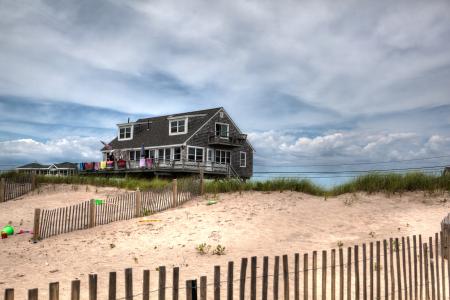
| NYC Business Group
Essential Details You Need to Know About New Jersey Coastal Homeowner’s Insurance
Buying a house is a lifetime investment, and it is prudent to protect it financially. Purchasing a New Jersey (N.J.) homeowner’s insurance is a good investment because it gives homeowners peace of mind knowing that they can’t incur huge losses if their homes are destroyed or damaged. If you live on the coast of New Jersey, the threat of losing your home is greater due to frequent storms, hurricanes, strong winds, floods, etc. Therefore, most mortgage companies require you to purchase New Jersey coastal homeowner’s insurance. This article will help you understand essential details about N.J. coastal homeowner’s insurance and how to buy a reliable insurance policy.
What is a Coastal Property?
Coastal property refers to a home that provides accommodation to a single person, a couple, or even several adults and children. If the coastal property is owner-occupied, it means that the property owner or owners live on the property. In other words, the owner has not rented out or leased the home to other people. Typically, coastal homes are located in navigable water bodies like oceans, lakes, or rivers. While coastal homes can be the primary residence for the family, they can also be used as vacation homes/secondary homes. Besides owning a home, coastal homes include all the land and structures, such as a swimming pool, storage shed, and garage. It is crucial to understand that all the off-premises exposures are included in the coastal home is the primary/principal residence. These exposures include the activities of the dwelling owner and other household members. Our Agency has competative market for personal property insurance!
Reasons Why Coastal Homeowner’s Insurance is Essential
According to recent studies, hurricanes cause more damage every year than other natural disasters amounting to approximately 28 billion dollars. The study shows that more than 1 million U.S. citizens are located in areas prone to a higher risk of destruction or damage. Therefore, you can incur a hefty financial loss if you do not have coastal homeowners’ insurance.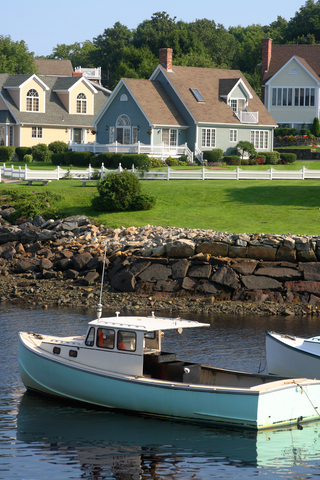
How to Determine You Need Coastal Homeowner’s Insurance
Although the requirements vary among insurance providers, you should purchase coastal homeowner’s insurance if your home is within 3 miles to the coast. The area is prone to vast weather elements, and chances of experiencing a storm, hurricane, flood, or strong winds are high.
How to Choose Your New Jersey Coastal Homeowner’s Insurance Policy Limits
Choosing the right insurance policy limit is not an easy task because you need to consider several factors, for example:
- Risk of damages
- Property value
- Emergency savings
- Budget for premiums
It is recommended that homeowners research thoroughly and seek advice from an experienced insurance agent to make the right choice. Here are recommended coverages for coastal homes; Our Agency can help you today! Give us a call to learn more about coastal property insurance!
- Minimum recommended coverage – personal auto policy, Wind/Hail, flood, personal umbrella policy, Boatowners/Yacht policies, and Homeowners
- You should consider other coverages such as Personal Inland Marine Policies & Earthquake coverage.
Your location determines the need for New Jersey coastal homeowner’s insurance. However, according to the National Flood Insurance Program (NIFP) statistics, 1,702 insurance claims were filed where the 1,792 NJ coastal miles spread. This is among the highest ratio of flood claims filed in the U.S. Therefore, ensure your coastal home gets financial protection.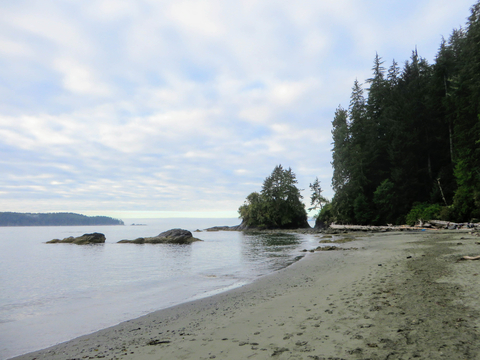
New Jersey Coastal Properties’ Risks and Exposures
If you own a coastal home, here are potential risks you should be aware of:
i. Personal liability exposure
These types of exposure result from the premise/home conditions and the activities the household members engage in. Besides social & civic organization, the sports the family members engage in, children’s age, breed, and type of pets the family own can increase personal liability exposure by far. While owners may not be responsible for injuries involving the water bodies, they can be held accountable if the injuries were caused by additions to items/structures like ladders, swings, docks, and piers. Coastal homeowners are advised to secure high-risk areas, for example, pools, playground equipment, trampolines, and non-licensed motorized vehicles to minimize injuries or accessibility, especially if they are not supervised.
ii. Property exposure
The exposure entails the coastal home, its contents, and non-business structures and their contents. Coastal homes are prone to damages and deterioration from weather conditions. The high salt content, high water table, and damp conditions facilitate deterioration. Since mold and water damage problems are common, regular maintenance is required to increase durability. Fire hazards in a coastal home include cooking equipment, HVAC, and electrical wiring. Since coastal areas are inaccessible, fire accidents can result in total loss. It is crucial to be cautious and contact a professional electrician if you suspect an electrical problem.
If the coastal home is a secondary home/vacation home, it can be prone to theft and vandalism. Therefore, consider installing security systems or hiring caretakers to boost security. Also, install shutters, trim vegetation, and secure other structures, such as piers, docks, and boats, to minimize vandalism, loss, or damages.
iii. Inland marine exposure
These include collectibles, electronics, jewelry, antiques, furs, firearms, silverware, etc., kept on the premises. Since these items can promote theft and vandalism, homeowners must install security features like alarms, locks, safes, and off-premise and storage exposures. The equipment used to maintain the yacht or boat is also included as inland marine exposures.
iv. Boats and Yachts exposure
This type of exposure includes fishing boats, canoes, jet skis, sailboats, speed boats, yachts, kayaks, or pontoon boats. While most coastal homeowners dock their water vessels on their premises, others prefer docking them at a nearby marina. However, since yachts and boats are liability exposures (whether in or out of the water), coastal homeowners should consider transporting via water or land to safe locations during the offseason.
v. Auto exposures
Auto exposure comes in if any household member drives rented, loaned, borrowed, or his own car. To minimize liability, all drivers should be licensed, identified, and have acceptable MVRs. Remember, type of driving, miles driven, type of vehicle, type of ownership, principal driver, garaging location, age, and experience of each driver must be considered when evaluating auto exposure.
Conclusion
Whether the coastal home is your primary residence or vacation home, it is a significant investment, and it should be protected. If you don’t know how to go about it, don’t rely on trial and error because numerous insurance agents can help you make the right choice. Finally, do not take chances because you haven’t incurred any financial loss in the past. Insure your coastal home to enjoy peace of mind and financial protection if you encounter damages or destruction caused by a hurricane, storm, or flood. Get a Quote From Our Agency Today!