

| NYC Business Group
A Step By Step Guide on How to Rent Your Property!
Some people consider becoming landlords because they have extra space, do not want to sell their house, want to pay a debt, or they have been temporarily transferred. Regardless of the motive behind renting your home, it is challenging to become a landlord. However, with proper planning and preparation, homeowners can minimize the hassles associated with renting a house and turn their homes into profitable ventures. Here is a step-by-step guide on how to rent your house successfully:
1. Assess the potential situation.
It is crucial to assess the situation before deciding whether to rent or not. The type of house or room determines the amount of money you need to start as an investor, among other options. For example, if you have a spare bedroom, you can either find a roommate or list it. However, you will lose your privacy because you must share the bathroom and kitchen. Also, the roommate or short-term renter could be noisy, come home at odd hours, or have different cleanliness standards making it hard for you to cope.
Although in a duplex you might have more privacy, you will share some spaces eventually. Besides sharing the driveway, the tenants could be noisy, making it hard for you to live peacefully. Assessing the situation will help you determine the best course of action when renting the extra space.
Looking For Landlord Insurance, Give us a Call!
2. Perform basic calculations.
Keeping an eye on your expenses can help you make a profit. If the tenants are financing the mortgage, you must consider the taxes and insurance to determine the minimum rent per month. Bottom line, the rental income should cover basic expenses depending on the rental market and specific property. While renting your house, include maintenance and repair costs because they are inevitable. Becoming a landlord entails considering numerous factors to ensure everything is going well. Remember, you may have to keep buffer cash to pay for extra/unexpected repairs and mortgage during a vacancy period (when you do not have renters). 
3. Consult your insurance agent.
Since you want higher liability coverage, it is prudent to consult your insurance agent. Renting all or part of your home can increase the risk of being sued in case someone gets injured. Therefore, before renting your house, talk to an insurance agent to determine what you must do to protect yourself. Your insurance agent will advise you on the riders to add or increase your home insurance coverage.
We Can Get You a Quote on Investment Rental Property!
4. Determine the amount of money you will earn.
Before you list your house or buy a rental property, it is vital to research rent rates. Although you need to cover the expenses, charging higher rates might discourage potential renters. However, your rental rate will determine your profit. To get the data, research online, you can check local listings, short-term rental sites to determine the rent. Remember to consider factors like amenities, number of bedrooms, and the house's condition before listing your home.
5. Make necessary repairs or upgrades.
The condition of your house affects rentability. Therefore, to make your house more competitive, fix anything that does not meet the occupancy codes or could be a danger to the tenants. Typically, landlords are encouraged to focus on repairs or upgrades that improve safety and increase the chances of getting tenants instead of cosmetic improvements. Spending a lot of money for decorative purposes is not advisable because you will break your bank.
For those who are looking to buy and fix a rental property, avoid over-personalizing the house. The main objective of upgrading a house is to make it safe and attractive. Potential renters should feel welcome and at home regardless of the improvements made. Therefore, consider picking hard flooring rather than a carpet, neutral palette, and generic appliances. If you are targeting vacationers, it is crucial to furnish the house with décor that appeals. Your locality will determine the upgrades or repairs you need to make to attract vacationers.
6. Hire a property manager.
Although you will be overseeing everything, hiring a property manager can give you peace of mind to enable you to focus on other things. A property manager will handle a wide range of activities, including collecting rent and handling repairs.
While some property managers charge a percentage of the rent as their fee, some prefer charging a flat rate per door. It is upon you to research and choose the right property manager depending on your locating and the fee structure you are willing to use. There are additional fees that include lease renewal fees, fees for finding a new tenant, and repairs.
For first-timers, choose several property management companies in your locality, check their list of fees, and narrow down your choices. If they have a contract, find a lawyer to look at it and advise you accordingly. The property manager you will hire can determine whether you will incur profits or losses. Take your time to research and choose the right property manager to avoid losing money or inconveniences in the long run.
7. Legal research.
Before you start looking for tenants, familiarizing yourself with landlord-tenant law is crucial. Remember, the landlord-tenant relationship is legally protected at local, state, and national levels. Learn more about the Fair Housing Act, Local Housing Laws, and Fair Credit Reporting Act.
- The Fair Housing Act – prohibits landlords from discriminating against tenants based on religion, disability, race, color, etc.
- The Fair Credit Reporting Act – this Act contains the details on the data you can collect from tenants. It also governs what landlords can report to credit bureaus and other related agencies if the tenant defaults to paying the rent.
- Local Housing Laws – these laws protect tenants with respect to evictions, security deposits, and rent collection.
Landlords are required to abide by these laws. In fact, if you are required to acquire a license, you must prove you comprehend these laws. If you do not know where to start, you can contact the local housing authority to explain how local renting works and what you should know. For example, many municipalities require landlords to register and obtain a permit. Sometimes, there are stipulated number of days in a year when you can rent a part or all your house for short-term rentals. It is essential to visit your local housing authority to avoid fines or legal costs for failing to abide by local laws.
8. Write your rental policies & lease.
After familiarizing yourself with the landlord-tenant laws, you can write your rental policies and include them in your lease. Here are some of the things you should have:
- Pet policy – are tenants allowed to have pets or not? You can also include the size and breed allowed or disallowed in your property.
- Common areas – determine who cleans certain areas, mows the lawn, and shovels the snow, among other things. If you share these responsibilities, it is easy for tenants to adhere to them.
- Behavior – did you know the government can seize your property due to illegal behavior and drug use? Therefore, indicated all prohibited behaviors and their consequences.
- Late fees & lease breakage – spell out the penalties and fees charged for late rent payment, eviction proceedings, and what happens if a tenant decides to move out early. Also, it is essential to indicate what happens and any fees included before or after moving out if there are breakages.
Since the document protects you and the tenant, it is advisable to have your lease looked at by a lawyer. In case of a lawsuit, the document will be used in court. Ergo, for it to stand out, you need to have it checked by a lawyer. For example, the landlord might be required to submit to mediation in case of refund policies, disputes, or liability assumptions. If you are familiar with the landlord-tenant laws in your locality, you can easily navigate rental policies. Therefore, before you start looking for tenants, ensure you have read the fine print. 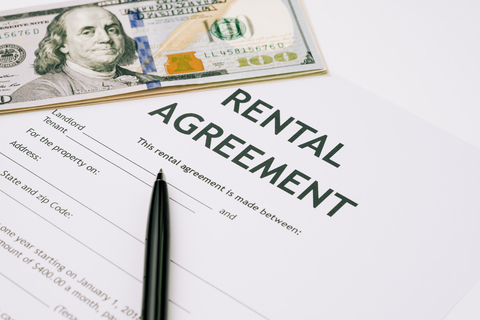
9. Find potential tenants.
If you have a property manager, you can relax because he will handle everything. However, if you do not have one, you will have to find applicants on your own. For starters, you can list your house on classified websites, and local listings. Nowadays, most people rely on the internet to search for houses. Therefore, you can use social media to get applicants. Remember to include your phone number and email address.
After listing your house online, you need to put out yard signs and posters if you are aggressive. To attract tenants, you can take photos and videos and upload them online. Besides taking calls and replying to emails, you need to answer online portal messages and schedule time to show the house. It is not an easy task, but with time you will get used to it. Finding a tenant depends on the condition of your unit, your rental policies, and your locality. It can take a few hours, days, weeks, or even months to find a qualified applicant.
10. Screen potential tenants.
Potential tenants are required to fill out an application with details that can help you determine their background. You can charge an application fee to enable you to cover credit check costs and related expenses. Remember to include a document that permits you to run the tenants' credit check in the application. The applicants should provide the following:
- Their names and DOB (Date of Birth). If the applicant has children, their names and DOB should be included too
- Social security number (SSN)
- References (at least three)
- Job history (for the past five years)
- Emergency contact information
Upon receiving the application, confirm the details provided, call the place of work to verify their income and whether they are employed. Typically, the applicant's income should be at least thrice the rent to avoid future problems.
Finally, you must run a background check for any criminal records and eviction. You can call previous landlords to help you understand the personality of your potential tenant. Remember, if you have hired a property manager, he screens potential tenants. Sometimes hiring an experienced property manager is recommended because they know how to run thorough background checks.
11. Choosing and rejecting applicants.
To avoid discrimination accusations, process the applications on a first-come, first-served basis. Every time you reject a tenant, remember to include the reasons you did it—for example, criminal history, credit score, or income requirements. By doing so, you will be shielding yourself from discrimination lawsuits.
After selecting a tenant, you need to sign the lease. The lease agreement should include the following:
- Landlord's and tenant's name
- Property address
- Rent
- Security deposit amount
- Lease term
- Any additional items included by your lawyer
Just in case of a legal lawsuit in the future, make copies of the driving licenses of all adults staying in your house. The process is more straightforward with a property manager because you only must check the verification documents.
12. Take photos.
Before the tenants move in, take photos to document everything. Be thorough to have a comprehensive report that includes the pros and cons. When the tenant is moving, accompany him to determine the condition of the house. Move from one room to another, noting everything down. In the end, have the tenant sign off a condition report. If the tenants damaged the unit, you could deduct repair costs from their security deposit. If the damages exceed the security deposit, you may have to take them to court. Since the security deposit belongs to the tenant, you should always have it with you. When the tenant is moving out and deductions (due to damages), you must use the security deposit and give the balance back, if any.
If you are looking to rent your house, you need to learn how to increase your success odds. Also, talking to a real estate expert and hiring a property manager can give you an upper hand if you are looking to rent your house successfully. As a landlord, you must ensure rent is paid on time, late fees are charged, repairs are done on time, and bookkeeping is top-notch.
Contact our Office, We Can Help Find the Right Coverage for you, Today!