

| NYC Business Group
Does Property Insurance Cover Vacant Buildings? (The Shocking Truth That Could Cost You Thousands)
When a property becomes vacant—whether it’s a commercial building between tenants or a home awaiting sale—many owners assume their existing insurance policy will continue to provide full protection. But here’s the reality: standard property insurance often excludes or severely limits coverage for vacant buildings. If you're not proactive, your empty space could leave your finances just as exposed as your walls.
In this article, we’ll break down why standard insurance doesn’t cover vacant buildings, what happens during transitional periods of occupancy, and how you can protect yourself with vacant-specific coverage—without breaking the bank.
Why Vacant Buildings Aren’t Fully Covered by Standard Insurance
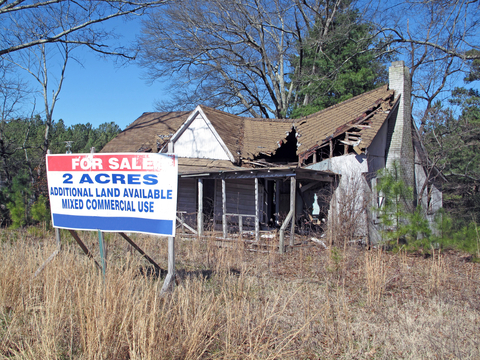
Vacant properties are magnets for risk—vandalism, arson, theft, water damage, and even squatters. From an insurer’s perspective, a building with no regular activity or oversight is simply more likely to suffer damage or attract legal trouble.
Most standard property insurance policies (whether commercial or residential) have what's known as a vacancy clause. This clause significantly limits or voids coverage after a certain period of inactivity, often 30 to 60 consecutive days. After that window, certain perils are no longer covered, including:
Vandalism
Glass breakage
Water damage (such as from burst pipes)
Theft
Malicious mischief
In other words, you could continue paying premiums and still be denied a claim because the building was unoccupied.
What Qualifies as "Vacant"?
This part often trips up owners. Many assume that if furniture or utilities are present, the property isn’t technically “vacant.” Not quite.
Vacancy definitions vary by policy, but here’s a general guide:
Vacant typically means the building is substantially empty of furniture and has no active business or residential use.
Unoccupied implies that the building has contents but no one is currently living or working there.
The difference is subtle but important. Some policies cover unoccupied properties with fewer limitations, while vacant properties are usually excluded from certain coverages altogether.
Real-World Example: A Costly Mistake
Consider a commercial property owner whose retail tenant unexpectedly vacates the premises. The landlord assumes their standard commercial policy still applies. Two months later, vandals break in and damage fixtures and wiring. The insurance claim? Denied—because the building had been vacant for over 60 days, triggering the vacancy clause.
That’s tens of thousands in losses, all because the insurance wasn’t updated.
How to Cover a Vacant Building Properly
To protect yourself during periods of vacancy or transition, consider a vacant property insurance policy. These are designed specifically to cover buildings with no occupants and often include:
Vandalism and theft
Liability coverage (in case someone is injured on the property)
Fire and storm damage
Optional water damage protection
Most vacant policies are flexible—offering short-term options (3, 6, or 12 months)—and can be adapted if the property is later occupied.
Transitional Periods: What to Watch For
There are several stages where your coverage could be at risk:
Tenant Has Just Moved Out: The 30- to 60-day clock begins ticking. If you anticipate a longer vacancy, act fast.
Under Renovation: Even if workers are on-site, the property could be considered vacant. Some insurers exclude coverage if the building isn’t operational.
Partial Occupancy: One unit in a multi-unit property is occupied, the rest are vacant. You may need a mixed-occupancy endorsement to keep full coverage.
Returning to Full Occupancy: When a tenant moves in, update your insurance immediately. Vacant coverage is often more expensive and may lack certain protections that standard policies offer.
Will It Cost More? Probably. But There Are Ways to Save.
Vacant property insurance usually comes with higher premiums than standard policies—sometimes 1.5 to 3 times more—due to the increased risk profile. However, there are ways to mitigate costs:
Install Security Systems: Cameras, alarms, and motion lights reduce the likelihood of break-ins and may lead to premium discounts.
Hire Regular Inspectors or Use Smart Monitoring: Insurers want to know someone is checking the property regularly.
Maintain Utilities (especially heat): This can prevent frozen pipes and reduce risk.
Short-Term Policies: Only pay for what you need with month-to-month or 3-month vacant coverage.
Bundle with Existing Policies: If you insure multiple properties, you may get a multi-property discount.

The Bottom Line: Don’t Wait Until You File a Claim to Discover You’re Not Covered
Vacant buildings are not just idle spaces—they’re insurance traps waiting to spring. If your property is going to be empty for more than a few weeks, don’t assume your existing coverage will carry you through. Review your policy today, talk to your agent, and get the proper protection in place.
Whether you're navigating a brief tenant turnover, undergoing renovations, or sitting on an empty home for sale, the right coverage can make the difference between a manageable expense and a financial disaster.
Make the smart move—protect your investment now before it costs you later. Contact your insurance advisor or broker today to discuss vacant property options that work for your budget and risk profile.