

| NYC Business Group
Five Ways a Workers Compensation Claim Will Impact Your Business
Workers compensation insurance is beneficial to your business as it protects it and your workers in case of an illness or a work-related injury. However, the high premiums and indirect costs can impact your bottom line.
Workers' compensation laws vary from state to state, although most will require you to have one immediately you hire your first employee. It helps cover injured employees' medical bills and partial compensation for lost wages if they need time off work.
Please note that workers' compensation claims tend to take a toll on smaller companies than larger ones. Larger companies have deeper pockets and larger payrolls to easily absorb financial dents, employees with experience in managing claims, and safety training programs compared to the smaller ones.
However, it is vital for sole proprietors and independent contractors to have a workers' compensation claim for themselves. It benefits them if a workplace accident leaves them unable to earn a living and with medical bills.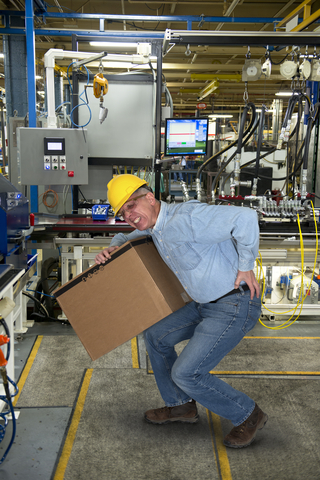
Let's explore how a workers compensation claim would overall affect your business;
1. Workers compensation premiums
Your workers' compensation premiums are based on your industry, your company's payroll, the number of employees in your company, and your company's claims history in the past three years.
A single workers' compensation claim does not mean an increase in your insurance premiums; however, it does depend on the resulting medical bills, nature of the claim, and any disability benefits required. The more claims your company has, the more likely you are to have your premiums raised.
The insurance provider also considers your experience modification rate (EMR), a benchmark used to set premiums in an industry. A 1.0 EMR is deemed to be average, and anything higher than this equals higher premium rates.
Other factors resulting in higher premiums include complaints, filings, or fines from the Occupational Safety and Health Administration (OSHA). However, following the industry safety guidelines and conducting regular safety training could reduce your insurance premiums.
2. Safety and productivity
In a work-related incident, a worker's compensation claim covers the injured worker's lost wages during their recovery period. If you end up owing them salaries that aren't covered by the insurance, you can mitigate that by bringing them back to work as soon as they can, even at a reduced capacity.
Other additional costs to your business may include;
- The costs of training and hiring a temporary replacement
- Paying your employees overtime fees as they take on extra responsibilities
- Work go-slow because of investigations by industry investigators or OSHA.
3. Administrative costs
Processing a worker's compensation claim takes a significant amount of time as the insurance will want to review evidence pertaining to the event, including the particular employee's medical records.
It will also cost your company time and money to repair or replace any damaged equipment due to the incident. Your company might also be required to take time compiling reports to inform federal and state regulators of the incident, especially if there is a potential OSHA violation.
4. Legal action
If you believe the worker's claim is illegitimate, you might decide to fight it in court, costing you legal fees. While you do this, keep in mind that you could end up paying more in legal fees than you would have by just settling the claim if your company loses.
Please note that only 7% of workers' compensation claims are repudiated, 5% of these cases go to trial, and the majority of the business owners chose to settle them outside court.
5. Reputational damage
The reputational damage of a workers' compensation claim to your brand is unpredictable. The accident's severity can significantly impact your business reputation, whether it's all over social media or covered by local newsrooms. Repeated incidents in your company, OSHA fines, or a high-profile incident could make it hard for you to obtain new clients or hire new employees.
Have a proactive approach
Your workers' compensation coverage, compensation premiums, and medical expenses can reduce by a great margin by having a measured approach to health and safety.
Consider the steps below to achieve a safer and healthier workplace;
- Reduce workplace injuries by following industry standards for workplace safety and training
- Regular equipment maintenance to ensure they are working safely
- Ensure standard safety compliance through a safety committee
- Implementing a wellness program in the company to ensure overall employees' health.