
| NYC Business Group
How Does Property Insurance Differ Between Urban and Rural Areas? Key Insights to Guide Your Decision
When it comes to purchasing property insurance, the location of your home plays a critical role in determining the coverage you need, the premium you’ll pay, and the risks you face. Urban and rural areas each have distinct characteristics that can influence the terms and cost of property insurance. If you're a homeowner or planning to buy property, understanding the differences in coverage between these two types of areas can help you make a well-informed decision. In this blog post, we'll explore how property insurance varies in urban versus rural areas, and the factors that affect premiums, coverage, and overall protection.
Urban vs. Rural Environments: How Location Affects Your Insurance Needs
Urban Areas: Dense, High-Risk, High-Cost
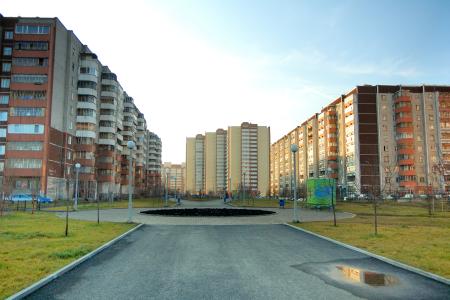
Urban areas are typically characterized by dense populations, commercial developments, and greater infrastructure. Cities, for example, tend to have higher crime rates, more frequent traffic incidents, and a greater number of construction and utility risks. Here are a few key factors that influence property insurance in urban settings:
- Higher Crime Rates: Urban environments often have a higher occurrence of theft, vandalism, and break-ins, which increases the risk of property damage or loss. Insurance companies factor these risks into premiums, making urban property insurance more expensive than rural policies.
- Greater Exposure to Natural Disasters: While rural areas may be more prone to wildfires or floods, urban areas can face risks such as earthquakes, hurricanes, and intense storms due to concentrated construction, older infrastructure, and dense building designs. The urban heat island effect (where cities are hotter due to human activity) may also contribute to more severe weather patterns.
- Proximity to Fire Departments & Emergency Services: Urban areas are often better equipped with emergency services, such as fire departments and ambulances, which can result in faster response times and lower insurance premiums for property owners. Many insurers offer discounts to urban homeowners who are located within a certain distance from these services.
- Higher Property Values: The cost of real estate in urban centers is generally higher, which affects the amount of coverage required. Homeowners are more likely to opt for higher coverage limits due to the higher value of their property, increasing the cost of premiums.
Rural Areas: Less Risk, But Different Challenges
Rural properties are often located in more isolated areas, with lower population density and fewer businesses or commercial properties around. While rural areas tend to have fewer of the risks associated with urban living, they also present unique challenges when it comes to property insurance:
- Lower Crime Rates: Rural areas tend to have lower crime rates, which can result in lower premiums. The reduced likelihood of break-ins, theft, or vandalism lowers the risk for insurers and, in turn, reduces insurance costs for homeowners.
- Exposure to Natural Disasters: While urban areas are more susceptible to certain natural disasters, rural properties are often at greater risk for wildfires, floods, and tornadoes. Insurance companies will factor in these risks when determining coverage needs and premiums.
- Distance from Emergency Services: One significant downside of rural property insurance is the greater distance from emergency services. Rural homeowners may not have quick access to fire departments or medical assistance, which can increase the severity of property damage. Insurers often charge higher premiums for rural properties due to this slower response time.
- Lower Property Values: Property values in rural areas are generally lower compared to urban areas. This can result in lower coverage amounts and, consequently, lower premiums. However, rural properties may still require specialized coverage for specific risks such as agricultural accidents, livestock damage, or forestry-related perils.
The Impact on Property Insurance Premiums
The location of your property directly influences the premiums you will pay for coverage. Here are some of the main factors that affect premiums in urban and rural areas:
Urban Premiums
- Higher Crime Rate: The increased likelihood of theft, vandalism, and property damage often results in higher premiums for urban properties.
- Higher Risk of Accidents and Hazards: The higher density of people, vehicles, and buildings can lead to more frequent accidents or damage, which pushes up premiums for homeowners in urban areas.
- Proximity to Services: Being close to emergency services, including fire and police departments, can result in discounts on insurance premiums for urban property owners.
Rural Premiums
- Exposure to Natural Disasters: Property owners in rural areas may face greater risk from natural disasters like wildfires, flooding, and severe weather. This increases premiums, especially in areas vulnerable to these types of events.
- Longer Response Times: A slower response from emergency services can result in higher premiums for rural property owners.
- Lower Risk of Theft and Vandalism: With lower crime rates, premiums for property insurance in rural areas are generally lower compared to urban properties.
Factors That Affect Both Urban and Rural Property Insurance
Regardless of whether you live in an urban or rural area, there are several factors that will affect your property insurance coverage and premiums:
- Home Type and Age: The condition of your home is a significant factor. Older homes may be more vulnerable to fire or structural damage, and insurers may charge higher premiums to offset the increased risk.
- Personal Property and Liability Coverage: If you have valuable personal property, such as antiques, electronics, or collections, this will influence your policy. Similarly, if you have a home business or pets, liability coverage may be needed to protect you from potential accidents.
- Deductibles and Coverage Limits: The amount of deductible you are willing to pay and the limits you set for your coverage will directly impact the cost of your premium. Higher deductibles generally lead to lower premiums, but you will be responsible for more out-of-pocket costs in case of a claim.
How to Lower Property Insurance Costs Without Compromising Coverage
Whether you live in an urban or rural area, there are ways to reduce your property insurance costs without sacrificing essential coverage:
- Install Security Features: Adding home security systems, such as cameras, alarms, or smart locks, can reduce your risk of theft and vandalism, potentially lowering your premiums.
- Bundle Insurance Policies: Many insurers offer discounts for bundling your property insurance with other policies, such as auto or life insurance.
- Increase Your Deductible: If you can afford a higher deductible, you can lower your premiums. However, make sure you can cover the deductible if you need to make a claim.
- Disaster Preparedness: In rural areas, investing in disaster preparedness measures such as fire-resistant materials or flood barriers can reduce your risk and may result in lower premiums.
- Maintain a Good Credit Score: Insurers often consider your credit score when determining your premium. A better credit score may help you secure a lower rate.
Final Thoughts
When deciding on property insurance, it’s essential to consider the specific risks associated with urban and rural areas. While urban areas tend to have higher premiums due to crime and traffic-related risks, rural properties face challenges like access to emergency services and natural disasters. By evaluating your unique situation and taking steps to mitigate risks, you can find the right balance between comprehensive coverage and cost-effective premiums.
If you're unsure about which type of property insurance is best for you, consider speaking with an insurance agent who can guide you through the process and help you make the best decision based on your location and specific needs.