
| NYC Business Group
What Are the Most Common Business Insurance Claims—and Are You Actually Covered? (You’ll Want to Double Check)
No matter the size or industry, running a business comes with risk. You may have insurance to protect against it—but do you know what kinds of claims are most likely to hit your bottom line? Most business owners assume the “big disasters” like fire or theft are their greatest exposure. But in reality, the most common claims are often smaller, more routine—and far more frequent.
As an experienced insurance brokerage, we’ve seen it all. And what we’ve found is that too many businesses are blindsided by claims they never anticipated—or thought their policy already covered. So, let’s break down the most common types of business insurance claims and what you can do to protect your company before trouble strikes.
1. Burglary and Theft
The risk: Whether it’s a break-in after hours or employee theft from inside, burglary and theft are among the top reasons businesses file insurance claims.
Who’s affected: Retail stores, offices, contractors with expensive tools, and any business with inventory or valuable equipment are especially vulnerable.
What to watch out for: Many policies cover theft, but limits and exclusions matter. For example, some plans cover only forced entry—not internal or “mystery” losses. Others have low limits on cash or high deductibles.
Prevention tips:
Invest in alarm systems, access control, and background checks. But also—make sure your policy covers theft in all its forms.
2. Water Damage and Freezing
The risk: Broken pipes, leaking roofs, freezing temps—water damage doesn’t have to come from a flood to be costly. In fact, internal water damage is more common and just as devastating.
Who’s affected: Any brick-and-mortar business, but especially restaurants, salons, and offices in colder climates or older buildings.
What to watch out for: Standard property policies typically cover accidental water damage, but not flooding or long-term leaks. Frozen pipes may be excluded if the building wasn’t properly heated.
Prevention tips:
Maintain your plumbing, winterize exposed pipes, and check your policy for water-related exclusions.
3. Fire
The risk: Fires don’t just destroy property—they can halt business for weeks or months. Even small fires can cause major smoke or water damage from firefighting efforts.
Who’s affected: Restaurants, manufacturers, warehouses, and any business that stores flammable materials or runs high-power equipment.
What to watch out for: Your policy may cover fire damage—but does it include business interruption coverage to keep you afloat during downtime?
Prevention tips:
Regularly check electrical systems, install fire suppression, and make sure your business interruption coverage reflects your actual operating expenses.
4. Customer Injuries (General Liability Claims)
The risk: A customer slips on a wet floor. A visitor trips over an unsecured cable. These kinds of “trip and fall” incidents are among the most frequent liability claims businesses face.
Who’s affected: Anyone with a physical location open to the public—retailers, medical offices, gyms, restaurants, etc.
What to watch out for: General liability policies cover bodily injury, but not if the incident was due to clear negligence or poor maintenance.
Prevention tips:
Keep your premises clean and clearly marked. Document safety measures, and make sure your liability limits are high enough for legal defense and settlement costs.
5. Reputational Harm (Advertising or Personal Injury Claims)
The risk: It might surprise you, but lawsuits over slander, libel, or copyright infringement in advertising are more common than you think—especially with the rise of digital marketing and social media.
Who’s affected: Any business that advertises, publishes content, or makes public claims—especially agencies, influencers, consultants, and marketers.
What to watch out for: Not all general liability policies cover personal and advertising injury. You may need a specific endorsement, especially if your business produces online content.
Prevention tips:
Be cautious about language in ads, social media posts, and reviews. When in doubt, get legal review before publishing.
6. Product Liability
The risk: If your product causes harm or damage—even if used correctly—you could face a costly lawsuit.
Who’s affected: Manufacturers, distributors, wholesalers, and even retailers can all be held liable under product liability law.
What to watch out for: General liability coverage often includes product liability, but only if your operations and product classes are accurately listed in the policy.
Prevention tips:
Clearly label products, include warnings, and review your product liability exposure with your broker regularly.
7. Vehicle Accidents (Commercial Auto Claims)
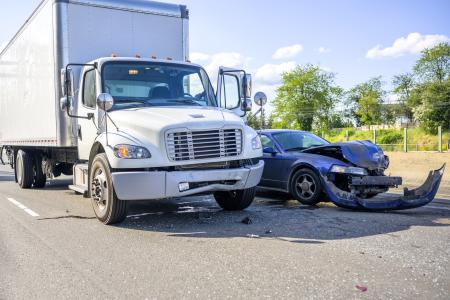
The risk: If your business owns vehicles—or your employees drive for work purposes—you’re exposed to accidents, injuries, and vehicle damage.
Who’s affected: Contractors, delivery services, sales teams, mobile businesses, and even companies that reimburse employees for business mileage.
What to watch out for: Personal auto policies often don’t cover business use. And commercial auto insurance must be written specifically to match your actual risk—like who’s driving, where, and what’s being transported.
Prevention tips:
Make sure all vehicles are listed on your policy, review driver history, and ensure proper training for employees on the road.
8. Business Interruption
The risk: This isn’t a type of damage—it’s the cost of being unable to operate. Whether it’s from a fire, storm, or utility outage, lost income can devastate a small business.
Who’s affected: Any business that relies on a physical location or equipment to function.
What to watch out for: Business interruption is often an add-on to commercial property coverage. It typically includes income replacement and operating costs—but may have time limits or strict triggers.
Prevention tips:
Ask your broker to help you calculate how much downtime your business could sustain—and make sure your policy supports it.
Don’t Just Hope You’re Covered—Know You’re Covered
The truth is that most business insurance claims aren’t once-in-a-lifetime disasters—they’re everyday incidents that can cause major headaches if your policy doesn’t respond as expected. And even if you’ve had insurance for years, your coverage may not reflect your current operations, risks, or limits.
At our insurance brokerage, we help businesses like yours avoid costly surprises by proactively reviewing your coverage and matching it to the real risks you face. Don’t wait until after the claim to find out what your policy doesn’t cover—schedule a consultation with us today to make sure your business is properly protected, before the unexpected happens.